
Residential water use and drinking water consumption are quite complex topics and of fundamental importance. Compared to this, we pay too little attention to them! Now we will take a closer look at the possibility of differentiated water consumption from the consumer’s point of view.
The journey of water to consumers
Since the end of the 19th century, water utility companies in European cities have been responsible for the extraction and storage of water and for ensuring that, after appropriate treatment, water of the required quality is delivered to consumers through pipelines. This public service expanded to smaller settlements in the 20th century and has now become a basic expectation in civilized society. You can read the World Bank’s detailed analysis of the current state of the sector here.
In the European Union, the supply of piped drinking water is high, but there are significant differences between countries. In Western Europe, for example, around 94% of the population has access to piped drinking water, but the Balkan and Mediterranean regions lag far behind. Today, the water utility sector generally struggles with a lack of resources and faces serious challenges due to the climate crisis and outdated infrastructure.
What do we use water for?
Water is a basic necessity in our daily lives: we drink it, cook with it, use it for washing, cleaning and other household purposes, for irrigation, industrial and agricultural purposes, as cooling water, washing water, or even to fill our swimming pools. Water sources are typically classified according to their intended use as follows:
- Drinking water: mainly obtained from aquifers and karst waters, subject to strict quality control
- Agriculture: surface waters are often used for irrigation
- Industry: surface and groundwater are used for cooling and technological processes
- Energy production: hydroelectric power plants use river water
- Baths, wellness: thermal waters, medicinal waters
Where does our water come from?
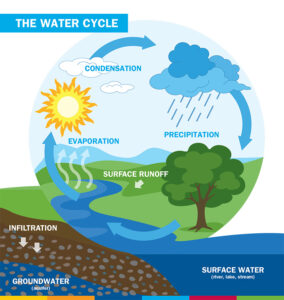
Water is mainly obtained from groundwater and surface water sources. In Europe, natural springs and aquifers generally play a prominent role.
Below is an overview of our main water sources, grouped into categories
Groundwater sources
- Aquifers: well-filtered water found in deeper layers of the earth, often of drinking water quality.
- Karst waters: found in limestone mountains, clean, hard water
- Groundwater: found at shallow depths, but more susceptible to contamination
- Artesian wells: water that rises from deep wells, often under pressure
Surface water sources
- Rivers: mainly used for industrial, agricultural, and energy purposes
- Lakes: for recreation and irrigation
- Reservoirs: artificially created water catchments
Natural sources
- Since ancient civilizations, these sources have provided life-giving water, and many springs still serve local communities with drinking water today.
- There are hundreds of thousands of natural water sources in Europe, but no exact number is recorded, as many springs have low yields, are seasonal, or are difficult to access.
- It is estimated that the number of springs in mountainous and protected areas is particularly high. In Hungary alone, more than 6,500 springs are registered, of which more than 3,500 are protected natural assets.
- The yield and quality of the water from these springs varies: not all spring water is suitable for human consumption. Some springs are unsuitable for human consumption due to their bacteriological composition, while others are unsuitable due to their chemical composition.
Atmospheric moisture
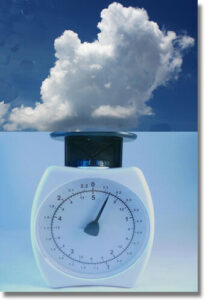 Our Earth’s atmosphere is an eternal and inexhaustible source of water
- it stores a huge amount of water, approximately 12,900 km3, in the form of atmospheric moisture, which can be extracted using a revolutional new water technology.
- The atmospheric water generator (AWG) is an innovation that offers the possibility of providing water in places where there is a water shortage.
- It can be used where meteorological conditions are suitable (a minimum temperature of 15 degrees Celsius and 25% RH relative humidity are required).
If you would like more detailed information about atmospheric vapor and the water cycle, you can find a summary analysis of the topic on the USGS website.
Does it matter what we drink and wash with?
In Europe, most people use water supplied by public utilities for drinking, cooking, washing, bathing, car washing, and watering their gardens. Of course, there are consumers who use alternative water sources such as well water in addition to tap water, and let’s not forget those who, for whatever reason, do not have access to mains water.
Water is a dramatically dwindling resource, access to which is becoming increasingly problematic and, for those who do have access, increasingly expensive.
It matters whether we waste expensive tap water for all purposes or choose the right water for the right use. But it’s not just about money, it’s also worth thinking about for the sake of a sustainable ecosystem and our health!
What kind of water is best for washing, cleaning, or bathing?
Definitely not hard water! If possible, soften tap water or use soft, low-mineral water from an alternative source.
Ideal water for bathing
- Temperature: 40–43°C is the most comfortable and gentle for the skin.
- Hardness: Soft or moderately hard water is best, as it does not dry out the skin or cause irritation.
- Filtration: If your tap water is chlorinated or too hard, it is worth using a shower filter to remove chlorine and heavy metals.
Ideal water for washing
- Temperature:
- Cold water (below 30°C): for delicate fabrics (silk, wool).
- Warm water (40–60°C): for cotton and synthetic fabrics.
- Hot water (above 60°C): for bedding, towels, and disinfection
- Hardness: Hard water reduces the effectiveness of detergent, so the use of a water softener is recommended.
- Filtration: Reverse osmosis or flow-through water filters improve water quality and increase the service life of the washing machine
Ideal water for cleaning
- Temperature: Warm water (approx. 40°C) helps dissolve greasy stains.
- Hardness: Soft water ensures more effective cleaning and requires less detergent.
- Filtration: Pre-filtered water (e.g., with a mechanical filter) helps remove sand and rust, which is especially important when washing windows or cars.
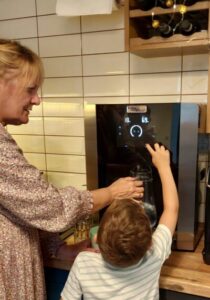
What kind of water is suitable for human consumption?
For regular human consumption, drinking water that meets health standards, is clean, free of contaminants, and has an adequate mineral content is recommended.
The characteristics of drinking water recommended for human consumption are summarized below.
Appropriate pH value
The recommended pH value for drinking water intended for human consumption is between 6.5 and 8.5. This range ensures that the water is neither too acidic nor too alkaline, so it does not harm the body or water pipes J.
Water that is suitable from a health perspective
- It must not contain pathogens (e.g., bacteria, viruses).
- Chemical contaminants (nitrates, nitrites, heavy metals) must not exceed the limit values.
- Colorless, odorless, tasteless – these are the basic characteristics of good quality drinking water.
Mineral content
- Water with a dissolved mineral content of less than 500 mg/l is usually tap water or bottled water with a low mineral content.
- Mineral waters have a higher mineral content, but not all of them are recommended for daily consumption.
- For example, waters rich in sodium are not recommended for people with high blood pressure.
- On the other hand, waters containing calcium and magnesium can be beneficial for bones and muscles.
Types of drinking water to avoid
- Uncontrolled spring water: may be bacteriologically or chemically contaminated.
- Water with an excessively high mineral content: may strain the kidneys in the long term.
- Groundwater: often contains nitrates and is not recommended for drinking.
- Consuming unchecked well water can be dangerous.
- Consumption of tap water from aging, poorly maintained, or lead pipes.
WARNING
- Bottled mineral water: only recommended for regular consumption if its composition is suitable for your individual health condition.
- Natural spring water: only suitable for regular consumption if it has been tested and is of adequate quality
- In Europe, tap water is safe to drink in many places, but in about 30% of cities it is not recommended. These cities, and those who do not enjoy good water services, purchase their daily water needs in plastic jugs. European households use billions of PET bottles every year, but precise data broken down by household is not available. More than 30 billion PET bottles are sold every year across the EU!…
About drinking water regulations
Few people know that drinking water is considered a foodstuff, which is subject to strict legal regulations in the EU and separate national drinking water safety standards in each Member State.
- Directive (EU) 2020/2184: This directive sets out the quality requirements for drinking water in the European Union.
- WHO Guidelines for Drinking Water Quality: These internationally recognized guidelines form the basis for EU directives and also include the water safety plan approach.
- EN 15975-2 standard: A standard for the safety of drinking water supply that implements safety requirements in practice.
There is an important change coming in European regulations: new drinking water parameters will come into force in 2026, but I will write about this in more detail in a future post.
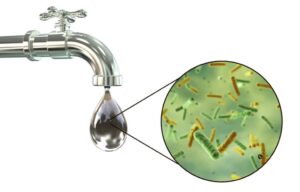 and what comes out of the tap?
Tap water is one of the most frequently and strictly controlled products. The problem is that water quality is usually checked by water suppliers, not consumers. We all realize that water flowing from the tap through miles of outdated pipes may not be guaranteed healthy, right?
Healthy drinking water and soft water from a single machine
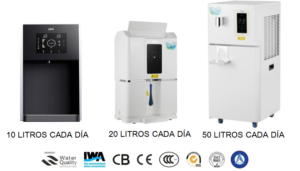
Yes! It’s possible with a new ECO-FRIENDLY water industrial technology based on heat exchange, which extracts moisture from the air and converts it into clean, healthy drinking water. The AWG machines integrated with a high grade air and water filtering system plus UV water treatment technology. Most of our equipment’s are easily can be complemented with solar or wind energy sources to avoid utility cost and enhance zero emission operation.
With WizzWell Atmospheric Water Generators distributed by AWG-Europe Ltd. you can have it all. Water extracted from the air is fundamentally pure and soft, making it perfect for bathing, spotless cleaning, or other household purposes. The AWG machine’s water dispenser provides fresh, healthy, and tasty mineralized drinking water for a family or community.
This was a pleasant surprise — high-quality content and useful tips.
I love how you keep things simple.
Yemeklerin fiyatları çok uygun, porsiyonlar ise oldukça doyurucu. Kavurma ve yanındaki pilavla mükemmel bir öğün geçirdim. Çalışanlar da son derece ilgili.
Short but powerful — great advice presented clearly.
Useful tips and friendly tone — a winning combination. Thanks!
Short but powerful — great advice presented clearly.
I never thought about it this way before. Your post gave me a fresh perspective.
For the reason that the admin of this site is working, no uncertainty very quickly it will be renowned, due to its quality contents.
I appreciate you sharing this blog post. Thanks Again. Cool.
This is my first time pay a quick visit at here and i am really happy to read everthing at one place
Nice guide — the tips are simple but effective. Thanks!
Hi there to all, for the reason that I am genuinely keen of reading this website’s post to be updated on a regular basis. It carries pleasant stuff.
very informative articles or reviews at this time.
There is definately a lot to find out about this subject. I like all the points you made
I very delighted to find this internet site on bing, just what I was searching for as well saved to fav
I appreciate the nuance — you covered both pros and cons fairly.
Thanks for the detailed breakdown — it saved me a lot of time.